By: Melanie Reynolds, Humane Pennsylvania Animal Care Technician
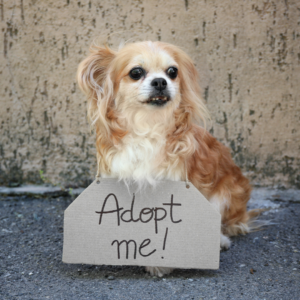 Is adopting a shelter pet the way to go? Does adopting an animal really make that much of a difference? For some, the answer is simple and automatic. For others, it’s not.
A little over 13 years ago, my family faced these exact questions. Our first dog had passed away. He was one of those Heinz 57 dogs. You know the ones I’m talking about.
When he passed away he left a void that, to me, felt like the size of a small crater. Coming home without him to greet us when we came in the door, seeing the spot where his bed was kept — now sitting empty — felt like a wound that wouldn’t heal.
Everyone’s grieving period is different, but two months of feeling emptiness when I came home was enough for me. I needed another dog. A discussion with my parents revealed they felt the same.
Then came the aforementioned questions. Our first dog had just kind of fallen into our laps. A dog of someone we knew had an accidental litter of pups, so finding him was easy. We’d have to do a little more work to find dog number two. My parents wanted a puppy. I wanted to adopt from a shelter. Finding a middle ground was going to take some work and research.
13 years ago, I was working my first job in animal care. I knew of puppy mills, but the image in my head was that of animals in unsanitary conditions and cramped cages. Research opened my eyes to the different types of puppy mills that were out there.
There’s the “breeder” with several different breeds, instead of focusing on one. The “breeder” who won’t show you the young animal’s parents. Or the “breeder” who won’t take the animal back if there’s a medical or behavioral problem. These are all signs of a potential mill — and the last thing anyone in my family wanted to do was inadvertently support one.
After our research, we agreed adopting from a shelter would be the way to go for us. Though we still wanted a puppy or a very young dog, we didn’t realize all the advantages that would come with adopting an animal from a shelter.
Did you know the vast majority of shelters won’t adopt animals out until they’ve been spayed or neutered, unless there’s a medical reason to not do so? That’s potentially hundreds of dollars saved for you. They’re also most likely already fully vaccinated or as up-to-date on vaccines as they can be, depending on their age and length of stay in the shelter.
Depending on the shelter, they may have even been given a dewormer and flea and tick preventative. If the shelter has any medical or behavioral history on the animal, they’ll disclose that at the time of adoption as well.
Does all this mean the animal will never have medical or behavioral problems? Of course not. But you get a ton of information about the animal right from the start. If you get an animal from a mill, or even a reputable breeder, they most likely will not be spayed or neutered, and they might not even be started on vaccinations.
There’s also the emotional aspect of adopting an animal. This may seem obvious — the animal you adopt no longer has to spend their time in a small cage or kennel — but there’s an emotional aspect for you as the adopter, too. You will always be the one who changed that animal’s life and gave them their forever home. It creates a bond that you will always feel.
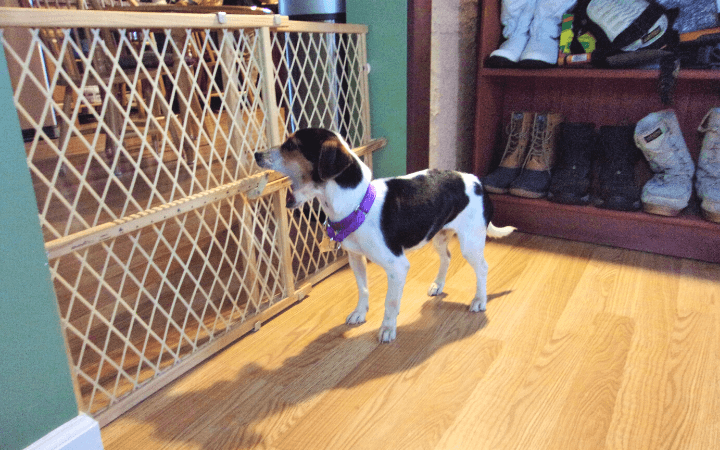
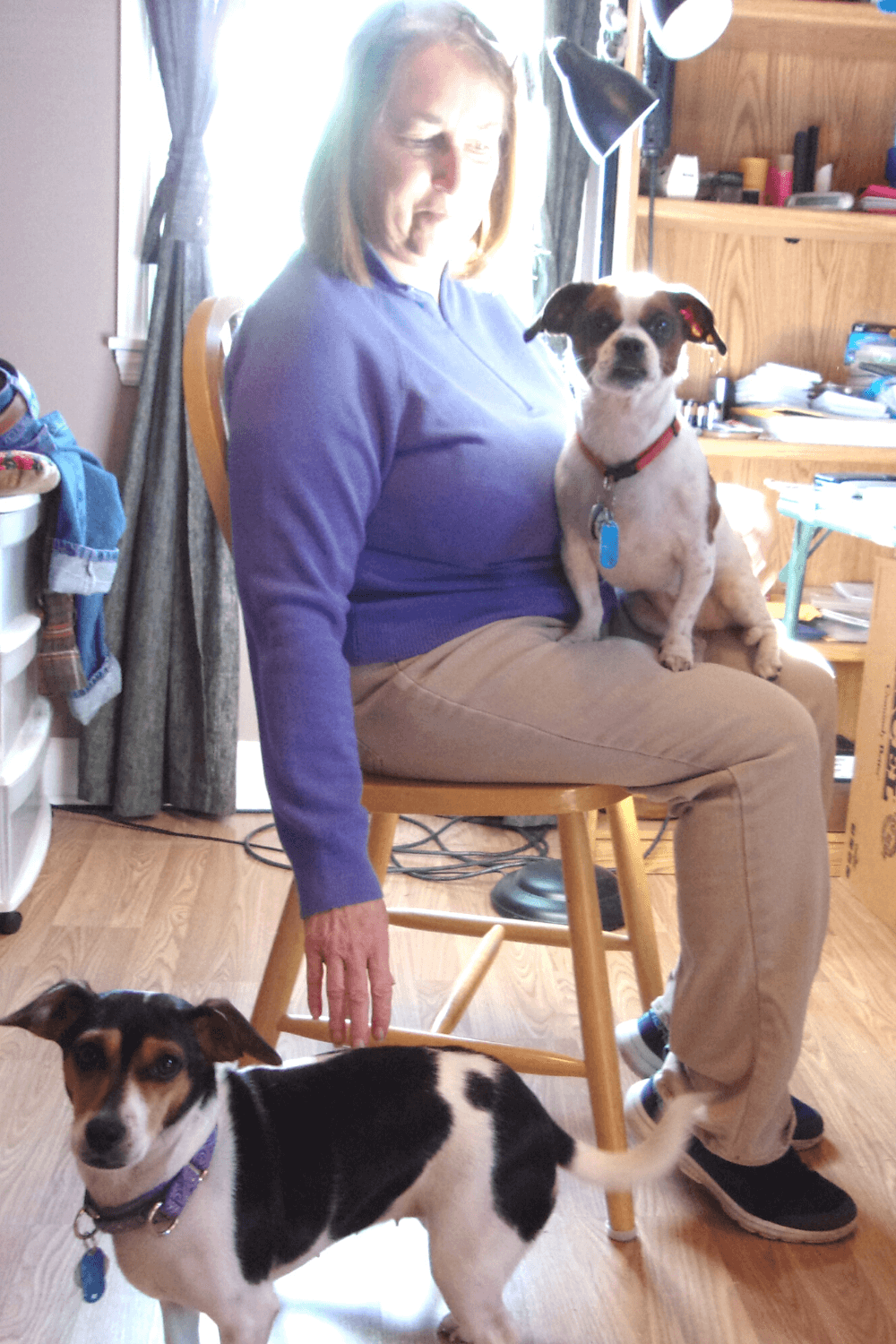
My family ultimately did end up adopting our second dog from a shelter, and yes, he was a puppy. He recently celebrated his 13th birthday. When I walk in the door, he’s always there to greet me, even if he is being snobby and turns up his nose at me as soon as he smells the animals from the shelter on my clothes. He made our home complete once again.
April 30th is a day every shelter anxiously anticipates each year; it’s National Adopt a Shelter Pet Day! It’s a day when the spotlight is on the animals in their care. It’s a day when hundreds of animals find their soft place to lay and spend the rest of their days. Is it the way to go for you? That depends on what you want, but I can tell you this: it most certainly makes a difference — and not just for the animal, but for you too.
Learn more about the animals in our care and make one yours today at https://humanepa.org/adoption/.

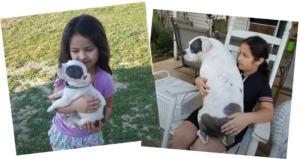 Athena found me in January 2016, when I was searching for the perfect pup to call my own. I had grown up with lots of animals and, as I was living alone across the country, I felt it would be the perfect time to find a companion to share my life with. A family friend mentioned they had a puppy that they loved but could no longer care for. I immediately went to meet Athena, and I fell in love with her instantly.

 When a mosquito has a blood meal from a dog that has adult heartworms, the microfilaria is taken in by the mosquito and undergoes transformation to a larval stage, which can now be a source of infection for another dog. This larval stage parasite is injected from the mosquito to another dog with the next blood meal the mosquito takes.
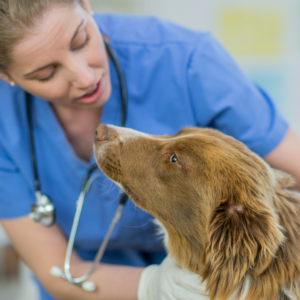 larval stage of the heartworm before it has the chance to mature into an adult worm and cause excessive damage.
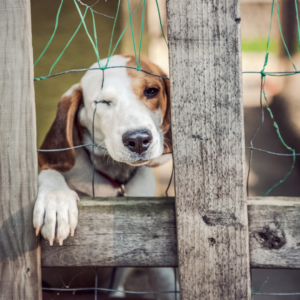 intentionally, knowingly or recklessly ill-treat, overload, beat, abandon or abuse an animal. Aggravated cruelty, as defined by Sec. 5534 of the Pennsylvania Statute, is committed when torture, neglect or cruelty causes serious bodily injury or the death of an animal.
 When you make a report through a phone call or online, you’ll need to leave your contact information so the agency can follow up with you, but your identity is kept strictly confidential. Just remember that you could be the only — or last — chance at survival for an animal.
 approach to practice management. When a service, program, or even phrase offers so much opportunity for confusion, the first step is to answer the question: “What is the purpose of what we are doing?”
 those 100 people, no one gets help the next week or the week after. It is a pyrrhic victory. This is not simply a theoretical situation — the former Humane League of Lancaster County faced that crisis when it overextended its reach and capacity in its first public animal hospital.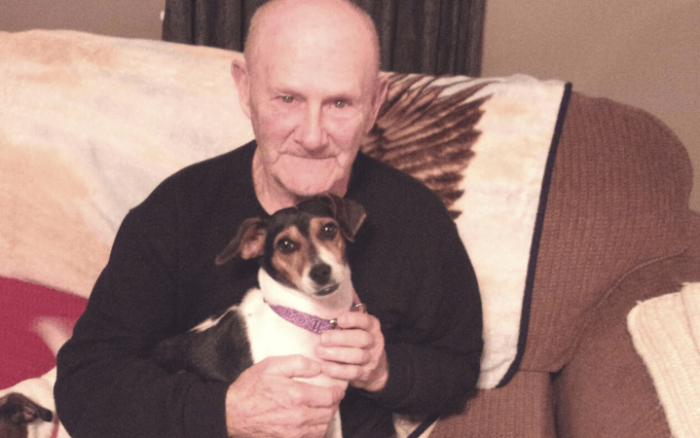
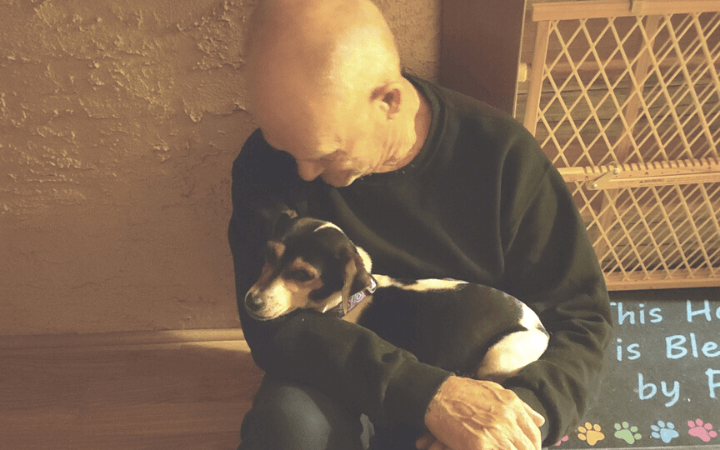
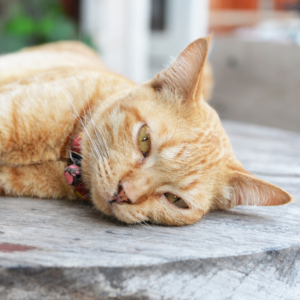 Not surprisingly, the greatest risks to pets are found around the home. Plants, foods, human medications, cleaning supplies, and automotive products are responsible for the vast majority of pet poisoning cases reported to veterinarians and poison control centers.
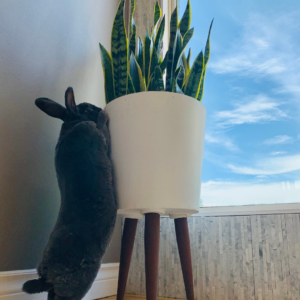 garlic, onions, yeast dough, and any processed foods containing the sweetener Xylitol.
 In Case of a Pet Poisoning Emergency
 Rabbits have been in our lives since the 5th century, when these adorable creatures won the hearts of humans and were domesticated to be pets. Did you know rabbits are currently the second-most popular pet, after goldfish? And according to insider.com*, other than cats and dogs, rabbits are one of the most popular pets in the U.S. — second only to goldfish. It’s no wonder these critters get a whole month dedicated to finding their forever homes.
 climb onto or dig in — all are AMAZING in the eyes of a bun. You can teach them anything you can teach a dog: sit, stay, jumping through hoops, jump up, etc. There’s simply no end to what you can fill their little heads with.
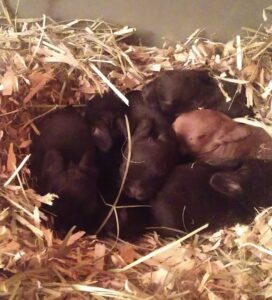 You do have to keep in mind, however, that owning a rabbit (just like any other pet) isn’t always all fun and games. You need to be prepared for the inevitable vet bills, and establishing a relationship with an exotics vet will ease some of your worries if an emergency should one day occur.
 time to shake those muscles loose and take a second swing at this. This time I want to express the enthusiasm, gratitude, and joy my heart and mind feel for all the positive outcomes we’ve experienced this year.
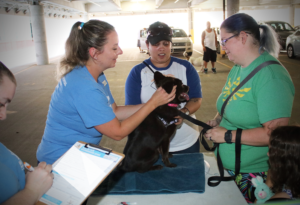 Neighborhood Clinics: COVID made it more challenging, but it didn’t stop us from going into neighborhoods to connect with pets directly and provide critical vaccines, microchip identification, and other vital healthcare services. Our specially trained teams of staff and volunteer veterinarians, technicians, and assistants provided services week in and week out to thousands of people in 2021. We partnered with the Animal Rescue League to share data to allow us to map parvo outbreaks in Reading and then work together at community clinics held at Amanda E. Stout Elementary School. This partnership let us help more than we could have alone, and the data sharing allowed us to deliver that help where it was needed most.
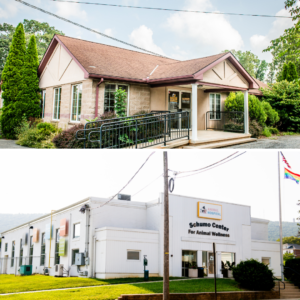
 Berks Humane Scholar Center shelter in 2006, it’s lovely to have it become a reality. Both HVH Reading and Lancaster are American Animal Hospital accredited and open to the public. Our hospitals were the first non-profit hospitals in Pennsylvania to achieve accreditation — and among fewer than 30 in the country. Less than 15% of the 36,000 for-profit vet practices are accredited.
 the nation in recognizing the barriers to access to vet care for large portions of our communities and then finding ways to deliver affordable, high-quality care sustainably. I was recently one of only about 50 people nationwide to participate in an ASPCA “Access to Care” Conference, which sought to find ways to expand access and remove barriers to vet care. It’s an exciting effort, and HPA is a recognized national leader and voice in this vital work. If you aren’t already a client of one of our two public hospitals,
  If you are a veterinarian or a veterinary tech, we’re hiring! You can join a practice that offers all the benefits and support of a “gold-standard” practice, and also lets you help animals and people and practice medicine like a vet — not according to a corporate checklist. You don’t know what you don’t know about Humane Veterinary Hospitals,