
Written by Karel Minor, Humane Pennsylvania President & CEO
 Despite news stories and animal shelter full-tilt freakout press releases to the contrary, the war on pet overpopulation and needless shelter euthanasia has been a wild success. In 1970, up to 26 million cats and dogs entered animal shelters, and up to 20 million of those were euthanized. To put that in context, in 1970 there were only 65 million cats and dogs in the U.S. So, in 1970, as much as 40% of the cats and dogs alive in the U.S. passed through shelters, and as many as 1 in 3.25 pets alive at the time were killed in animal shelters every year.
Fast forward to 2025. The U.S. is estimated to have 199 million cats and dogs. Estimates for the number of cats and dogs entering America’s shelters range between six million and four million (depending on who you ask and how you count). The number of cats and dogs euthanized in shelters is between a high estimate of 3 million and a low of under 800,000. That’s a numeric intake reduction of between 77% and 84%. The reduction in euthanasia since 1970 is between 85% to 96%.
As a percentage of the U.S. cat and dog population, the number of animals killed in shelters compared to the total number of animals has dropped from up to 40% in 1970 to a high of 1.5%, or a low estimate of one-half of one percent of animals alive in 2024. If that’s not good news—if that’s not an outright victory—I don’t know what is.
Now, I know some of you reading may be yelling, “You lie! Those numbers are false!” That’s fine—you can Google the scientific papers and multiple national shelter population surveys that back this information up. If you need something to support the narrative that shelters are still drowning in pets, just jump in your car and drive until you go over the edge of the flat Earth. You might find the facts you want to find there.
While this is great news in the aggregate, one animal that dies needlessly is a tragedy—and animals still die needlessly sometimes. Also, some parts of the U.S. have greater challenges than others. But by and large, a shelter focus on adoption over death, access to sterilization, vet care, proper nutrition, changes in the perception of acceptable pet care responsibilities, social media, microchip ID, and radically changed animal control models have improved the world for pets and their families for the better.
 What the heck does this have to do with dog adoptions in Lancaster? Everything. The animal shelter infrastructure in Lancaster and Berks County, where Humane PA has adoption centers, was created in the 1970s to handle 1970s realities. As recently as 20 years ago, the combined shelter intake for the Humane League of Lancaster County and the Humane Society of Berks County was 21,000 cats and dogs a year. Over 14,000 of those animals were euthanized.
Ten years ago, these two forward-thinking and innovative organizations merged to become Humane Pennsylvania. Thanks to our industry-leading and groundbreaking work—combined with an already-happening sea change in the status of pet animals in the U.S.—in the past year, our shelters only took in 1,970 animals, and only 135 were euthanized. That’s just about 6% of total intake, and solely for true medical necessity and to relieve genuine suffering—just like many of us have had to do for our own elderly, sick, or severely injured pets. That’s also less than one-tenth of one percent of the number euthanized in our shelters twenty years ago.
That’s one of the reasons Humane PA decided to move the increasingly small number of dogs we have for adoption in Lancaster to just one of our adoption centers: the newly renovated adoption center in Reading. We also renovated the Lancaster kennels to open Spike & Tilly’s Pet Resort, which offers increasingly hard-to-find affordable pet boarding services. This new service is in line with our pioneering creation of affordable vet care programs over the past 18 years.
It left a lot of kennels empty—kennels that were built to deal with the 1970 tsunami of pets, but were no longer being filled by homeless pets for adoption in our community. But we hate resources going to waste.
Sometimes, opportunity connects resources and need and opens the door for something wonderful and unexpected. That’s what happened in Lancaster! While we’ve been breaking new ground creating affordable, accessible services for pets in the home, our great friends at Brandywine Valley SPCA have been doing incredible, pioneering work that has been transforming animal control services to help animals out on the streets. Most recently, they were asked to take over animal control services for all of Washington, D.C., and while they renovate animal care facilities down there, they needed a place for animals to be safely housed and adopted.
Guess who had the space available? We did! We couldn’t be more excited to be sharing our available resources with our friends at BVSPCA while they bring improved services to a major city in need. We’re also thrilled to be able to help them bring a welcome supply of dogs in need of homes to our community!
BVSPCA’s dog adoption center is located in HPA’s kennel facility at our Lancaster Campus. The adoption center is run entirely by their staff and has its own entrance and hours (visit BVSPCA.org for details). If you are in Lancaster County and looking for a dog to adopt, check it out!
Of course, while you’re at it, check out Humane PA’s Lancaster Cat & Critter Adoption Center, The Thrifty Kitty Thrift Boutique, and Spike and Tilly’s Pet Resort for affordable pet boarding! If it’s for animals, HPA’s Lancaster campus has it all!
While we’ve got your eyeballs, consider helping as a volunteer! HPA has opportunities from working in the new thrift shop to animal care, events, admin support, gardening, and so much more! Volunteers make our work possible—and we make it easy, fun, and meaningful.
To recap: The well-being of animals is incontrovertibly better compared to 50 years ago—and getting better all the time. But it’s not perfect. Through hard work, creative programs that focus on the needs of today and tomorrow (instead of yesterday’s), highly effective partnerships like the one with BVSPCA, and the volunteer and financial support of people like you, we are creating the best communities anywhere to be an animal or an animal caretaker. Thank you!

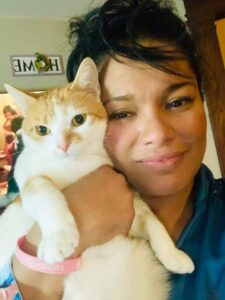

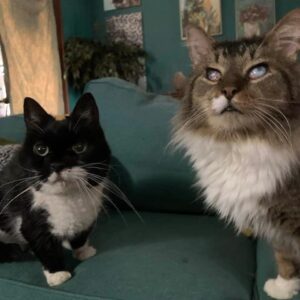 infection among other things. After her vet check, it was recommended to adopt her out as hospice care. I decided to adopt her knowing I might not have her for long. Sadly, she passed away four months later, but I made sure she spent the last few months of her life happy and loved.
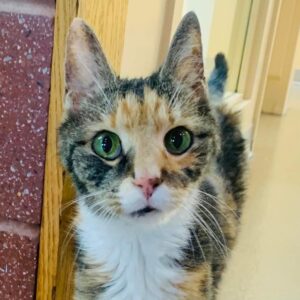 One September morning a cat was abandoned at the shelter. We scanned the cat and found out she was adopted from our organization 15 years ago. She was frail and extremely underweight. Her name was Rapunzel but I called her Princess Thumbs because she was a polydactyl cat. After getting her blood work done it turned out that she had hyperthyroidism and needed to be on medication and a special diet. After doing some research about the disease, I adopted her. I was not sure of the outcome since she was so thin and I had no idea how long she was in this condition but I was determined to try. Unfortunately, her illness was too far gone, but she did give me two wonderful weeks. She was truly an amazing cat. I miss you, my crunchy princess.
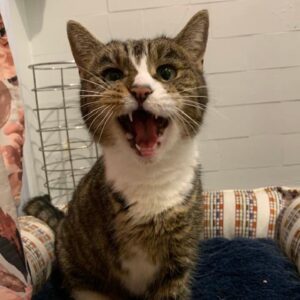 surrendered for meowing too much. Her name was Marigold. She was super sweet and did indeed “talk” a lot, which made me love her even more. After getting blood work done for her, results showed that she had hyperthyroidism. I was a little nervous because I was worried I would lose her too. I still decided to adopt her and give her a chance. Well, she is now a happy cat that “talks too much” if her bowl is empty. She will hop after you like a rabbit making sure you hear her loud and clear.
 During our annual 12 Days of Adoptions event during the holidays, the majority of the cats at the shelter were finding homes. There was one cat I was hoping would find her furever home since she had been overlooked for 8 months. Her name was Karma, an adorable Orange and white cat with the cutest “RBF” squishy face. Karma had a few medical issues. She was FIV+, had an old ankle injury that made her limp, and experienced bladder issues which would require a special diet and medication for life. When Christmas Eve and the last day of the adoption special arrived, I told Karma “It’s time to go home”. It’s been two months since she came home and I’m so happy I made that decision. Her health has since improved and she couldn’t be happier in her new home.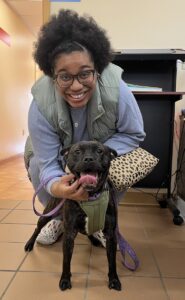
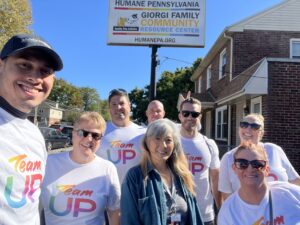 Volunteer Your Time
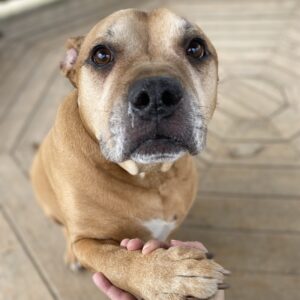 Bubba Lou, a 6-year-old neutered male American Pit Bull Terrier, was surrendered to the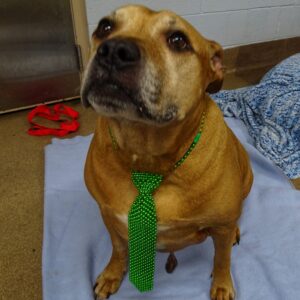
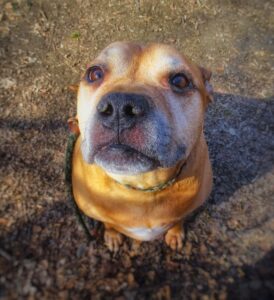 Bubba Lou is one of the thousands of dogs, cats, and critters Humane Pennsylvania helps throughout the year. Please consider visiting the
  Rabbits have been in our lives since the 5th century, when these adorable creatures won the hearts of humans and were domesticated to be pets. Did you know rabbits are currently the second-most popular pet, after goldfish? And according to insider.com*, other than cats and dogs, rabbits are one of the most popular pets in the U.S. — second only to goldfish. It’s no wonder these critters get a whole month dedicated to finding their forever homes.
 climb onto or dig in — all are AMAZING in the eyes of a bun. You can teach them anything you can teach a dog: sit, stay, jumping through hoops, jump up, etc. There’s simply no end to what you can fill their little heads with.
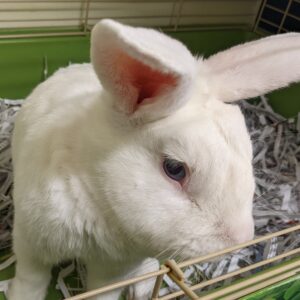 You do have to keep in mind, however, that owning a rabbit (just like any other pet) isn’t always all fun and games. You need to be prepared for the inevitable vet bills, and establishing a relationship with an exotics vet will ease some of your worries if an emergency should one day occur.
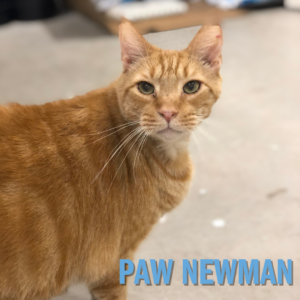 There are many ways to celebrate this lovable tabby, especially in a world full of cat (and animal!) lovers. For me, an owner of three orange tabby cats, this fun holiday is very relatable. While my orange kitties don’t necessarily have a strong love of lasagna or coffee, they have wonderful, silly personalities and love to lay in the sun, much like Garfield.
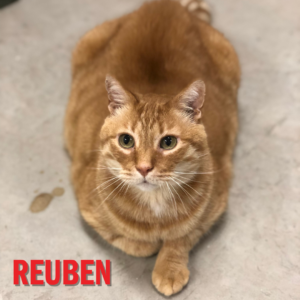 extremely outgoing and greets everyone as soon as they walk in the door. He will also “talk” to you and chirp the answers to any questions you ask him. He loves to be petted and will cuddle right up any lap or bed pillow (at night) that’s available.
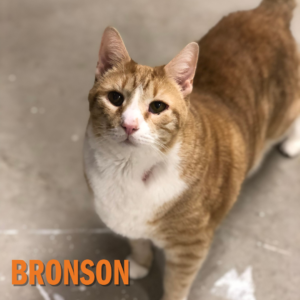 April 2019. At this point, I knew my love for orange tabby cats was strong. So as soon as I saw him in his cage, rolling around and reaching for me on the other side of the glass, it was game over. He fits in with his brothers very well, and he has such a charming personality. He purrs loudly, loves hard, and craves human affection.
 Forty-five years ago, this inevitable tidal wave of kittens was the impetus behind American Humane’s first Adopt-a-Cat Month campaign to urge the public to adopt cats and kittens from local animal shelters rather than buying them from breeders. The organization has existed for over 100 years, creating public service campaigns and performing animal rescue during wars, 9/11, and weather disasters.
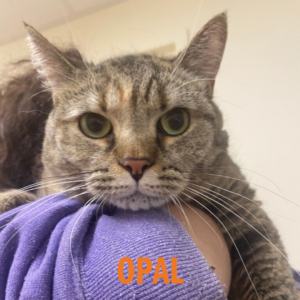 puzzles abound, so a friend could come every other day and reset such items for their fun time.
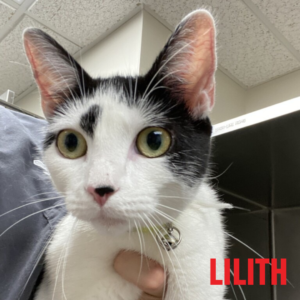 more than just that kitty! When you adopt a shelter cat, you save that cat’s life as well as open up a space at the facility for another needy purrball. Although not all outside cats are suitable for adoption[2], if you rescue a neighborhood cat that clearly enjoys being a family house cat, you remove that cat as a breeder from the area and provide it with a healthy, safe home.
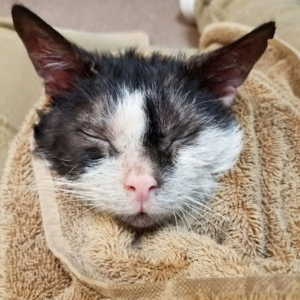 “My best friend arrived at the Humane League of Lancaster in April 2017. He was a smelly, filthy, hot mess of a cat with a laundry list of medical issues and a heartbreaking past.
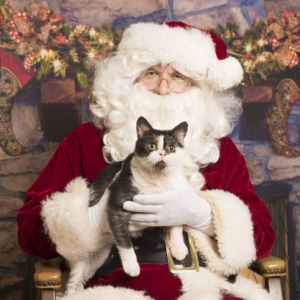 easily with the rest of my crew, it was like he had been with us forever.
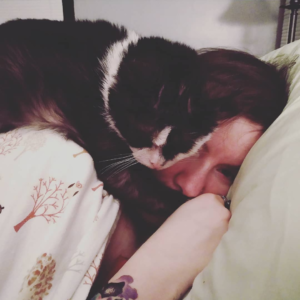 During the day, Henry can often be found curled up in his igloo bed, cuddling with his best friend Chester, or chasing around things that make a crinkle noise. Henry’s newest BFF is our foster-to-adopt rabbit. He loves to spend time in her room, and she gets so delighted when he visits her!
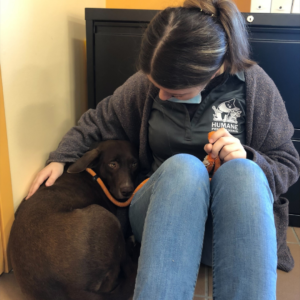 My plan was to spend all my extra time trying to make her comfortable with me and gain her trust. This started with us standing on opposite sides of the kennel — and lots of treats. She slowly became comfortable enough to eat them, but only if I was not looking directly at her.
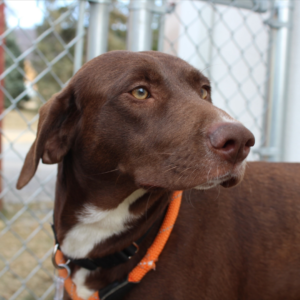 giving Gracie treats and calmly talking to her to coax her out of her shell, and she eventually gave in to their kind attempts.
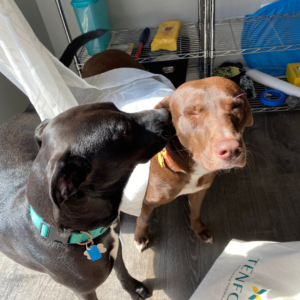 “When we got Gracie, she was incredibly shut down and would run away from us and hide any chance she got. She no longer hides and is often found roaming around, exploring the house while wagging her tail. Even more frequently, she can be found sitting on top of anyone who is willing to give her her favorite neck rubs. She has started giving us face kisses and smiles when she gets to run around outside. She’s such a good dog, and I’m so glad that you all believed in her and in us.” – Bryan and Alicia (Gracie’s adopters)