
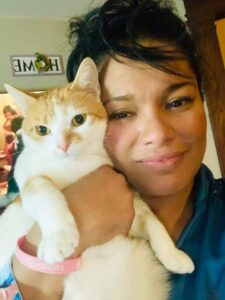
Written By: Humane Pennsylvania Animal Care Technician, Linne Ortiz
Working at HPA for the past 6 years, I have come across many cats – young, old, sick, or disabled. I’ve always had this thing for senior cats or “crunchy cats” as I like to call them. Having two of my crunchy cats pass away this year at 19 and 20 years old, I decided to adopt a few new additions to join my fur family – all being disabled, needing hospice, or having specific medical needs.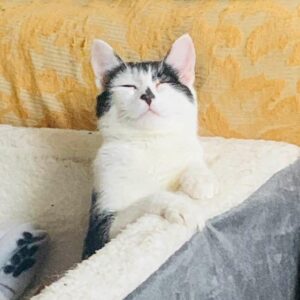
Back in February, I came across a kitten with severe CH or the wobbly cat syndrome. She was brought in due to her health. She came in spicy! She was very scared and swatted at anyone who got near her. She couldn’t walk. She could only crawl. I immediately fell in love with her so I took her home. Admittedly, I was a bit worried about how she would adapt at home. How will she get around? How will she use the litter box? How will she get to her food and water? It’s been exactly one year and she is the happiest cat ever. We named her Wasabi, the spicy kitten.
In July I was introduced to Willie, an 8-year-old munchkin with chronic constipation and a chronic respiratory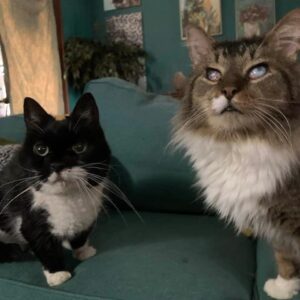 infection among other things. After her vet check, it was recommended to adopt her out as hospice care. I decided to adopt her knowing I might not have her for long. Sadly, she passed away four months later, but I made sure she spent the last few months of her life happy and loved.
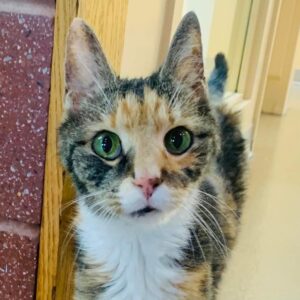 One September morning a cat was abandoned at the shelter. We scanned the cat and found out she was adopted from our organization 15 years ago. She was frail and extremely underweight. Her name was Rapunzel but I called her Princess Thumbs because she was a polydactyl cat. After getting her blood work done it turned out that she had hyperthyroidism and needed to be on medication and a special diet. After doing some research about the disease, I adopted her. I was not sure of the outcome since she was so thin and I had no idea how long she was in this condition but I was determined to try. Unfortunately, her illness was too far gone, but she did give me two wonderful weeks. She was truly an amazing cat. I miss you, my crunchy princess.
In October I got a message from one of the staff members at the Freedom Center for Animal Life-Saving that a 15-year-old tripod cat was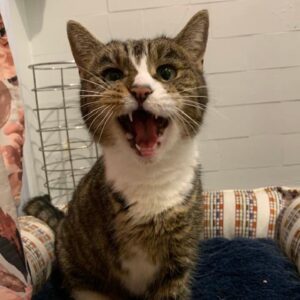 surrendered for meowing too much. Her name was Marigold. She was super sweet and did indeed “talk” a lot, which made me love her even more. After getting blood work done for her, results showed that she had hyperthyroidism. I was a little nervous because I was worried I would lose her too. I still decided to adopt her and give her a chance. Well, she is now a happy cat that “talks too much” if her bowl is empty. She will hop after you like a rabbit making sure you hear her loud and clear.
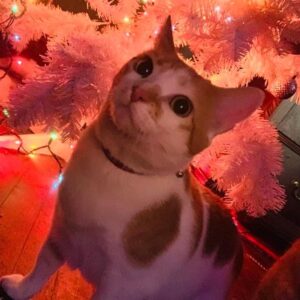 During our annual 12 Days of Adoptions event during the holidays, the majority of the cats at the shelter were finding homes. There was one cat I was hoping would find her furever home since she had been overlooked for 8 months. Her name was Karma, an adorable Orange and white cat with the cutest “RBF” squishy face. Karma had a few medical issues. She was FIV+, had an old ankle injury that made her limp, and experienced bladder issues which would require a special diet and medication for life. When Christmas Eve and the last day of the adoption special arrived, I told Karma “It’s time to go home”. It’s been two months since she came home and I’m so happy I made that decision. Her health has since improved and she couldn’t be happier in her new home.
Choosing to welcome a specially-abled cat into your home is a rewarding, yet challenging decision. It is a huge commitment that will take up a lot of your free time. It can be costly and will test your emotions. Some will require extra attention, medication, special diets, and more. However, although it does take extra effort, they too deserve a second chance to live a happy and fulfilling life.

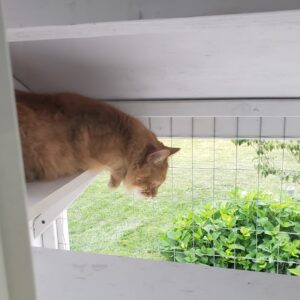 Many refer to me as a “crazy cat lady,” but I don’t mind. I have spent more than 20 years advocating for the rights of and implementing humane management of free-roaming/community/feral cats in Berks County. I took care of 29 inside cats for four years and have volunteered in animal rescue for my entire life.
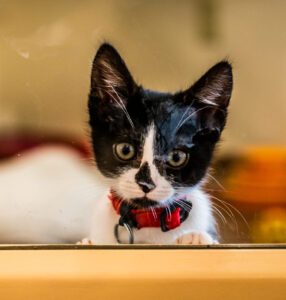 Although your cat still exhibits some wildness about them, rest assured that they are dependent on you to provide healthy food, adequate shelter, proper stimulation, and an annual veterinary exam to keep them in tip-top shape.
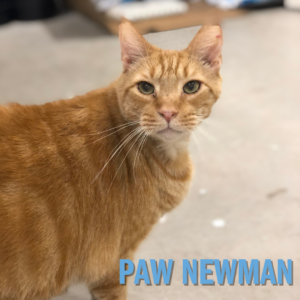 There are many ways to celebrate this lovable tabby, especially in a world full of cat (and animal!) lovers. For me, an owner of three orange tabby cats, this fun holiday is very relatable. While my orange kitties don’t necessarily have a strong love of lasagna or coffee, they have wonderful, silly personalities and love to lay in the sun, much like Garfield.
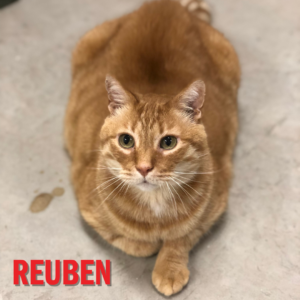 extremely outgoing and greets everyone as soon as they walk in the door. He will also “talk” to you and chirp the answers to any questions you ask him. He loves to be petted and will cuddle right up any lap or bed pillow (at night) that’s available.
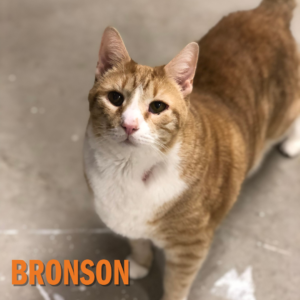 April 2019. At this point, I knew my love for orange tabby cats was strong. So as soon as I saw him in his cage, rolling around and reaching for me on the other side of the glass, it was game over. He fits in with his brothers very well, and he has such a charming personality. He purrs loudly, loves hard, and craves human affection.
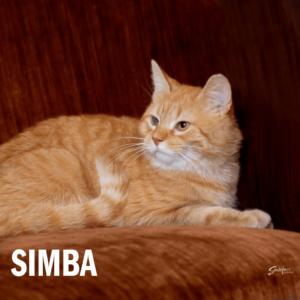 Forty-five years ago, this inevitable tidal wave of kittens was the impetus behind American Humane’s first Adopt-a-Cat Month campaign to urge the public to adopt cats and kittens from local animal shelters rather than buying them from breeders. The organization has existed for over 100 years, creating public service campaigns and performing animal rescue during wars, 9/11, and weather disasters.
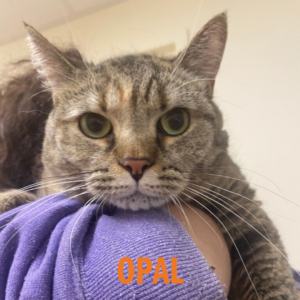 puzzles abound, so a friend could come every other day and reset such items for their fun time.
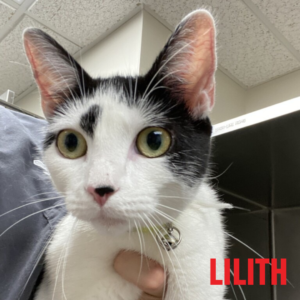 more than just that kitty! When you adopt a shelter cat, you save that cat’s life as well as open up a space at the facility for another needy purrball. Although not all outside cats are suitable for adoption[2], if you rescue a neighborhood cat that clearly enjoys being a family house cat, you remove that cat as a breeder from the area and provide it with a healthy, safe home.