
Each year many of us celebrate Independence Day with friends and family; enjoying barbeques and lively firework shows. However, these traditions can frighten and at times be dangerous to your pets. Follow these useful tips to keep your pets safe during the festive summer holiday.
NEVER Use Fireworks Around Pets
- Lit fireworks can be extremely dangerous to pets. Sparks from the fireworks can cause severe burns and/or trauma to the face, paws, and skin.
- Never use fireworks around your pets as many types contain potentially toxic substances, including potassium nitrate, arsenic, and other heavy metals.
Leave Pets at Home
- While most humans enjoy summer parties, most pets do not. Loud noises, crowded areas, and unfamiliar settings, can frighten pets and cause them to become stressed and disoriented.
- For your pet’s safety, refrain from taking them to Fourth of July festivities, instead leave them at home, away from direct noises, in their own environment in which they feel safe.

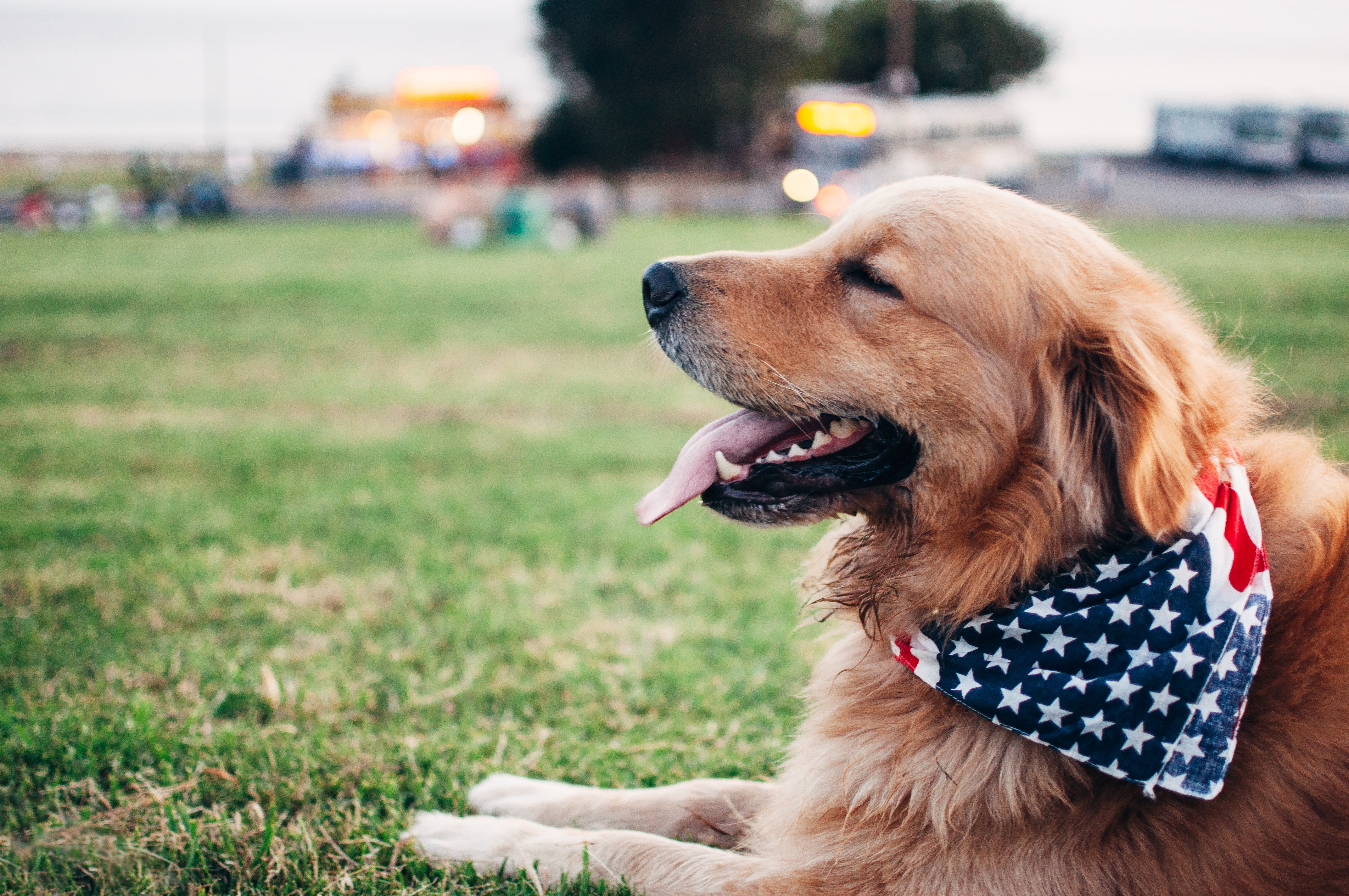
Keep ID Current
- Loud noises from fireworks and other festivities may scare your pet and cause them to escape from your yard or home, if they are not safely enclosed. Be sure your pet is always wearing a collar with an ID tag that includes; your name, current phone number and any other relevant contact information.
- July 1 is National ID Your Pet Day, which serves as an annual check-in to make sure your pets’ identification tags and microchip information is up to date. Have your pet microchipped to increase the likelihood that they will be returned to you safely if a separation were to occur.
- Visit HumanePA.org to learn more about our Healthy Pets Initiative, which provides microchip services to keep pets safe and happy in their homes.
Avoid These Poison Hazards
Create Barbeque Boundaries
- Barbeques are a lot of fun, full of delicious foods and drinks…for humans. However, some of these items can be deadly to your pets. Be sure your pets can not get in to any alcoholic beverages. Also keep in mind that many human foods are not meant for pets, pet treats are always better to give your pets than human food, as human foods can cause severe digestive issues for pets.
- Be sure to avoid avocado, raisins, grapes, onions, chocolate and products with the sweetener xylitol.
No Glow Jewelry for Pets
- While it might look cute to put glow jewelry or glow sticks on your pets, the plastic and chemicals inside the tube are hazardous to pets if ingested.
- If your pet chews and/or swallows the plastic attachments or chemicals, they can be at risk for excessive drooling and gastrointestinal irritation, as well as intestinal blockage from swallowing large pieces of the plastic.
Safely Store Matches and Lighter Fluid
- Certain types of matches contain chlorates, which, if ingested, can be hazardous to pets. Lighter fluid, meanwhile, can be irritating to your pet’s skin, and, if swallowed, can cause gastrointestinal irritation, and other issues.
- Be sure to store all matches and lighter fluid in a safe place where pets cannot access the items by jumping or climbing.
If your pet ingest a poisonous substance, like the ones listed above, contact your veterinarian or the Pet Poison Helpline (800-213-6680) immediately. Do not induce vomiting or give anything orally to your pet unless specifically directed to do so by your veterinarian.

 When a mosquito has a blood meal from a dog that has adult heartworms, the microfilaria is taken in by the mosquito and undergoes transformation to a larval stage, which can now be a source of infection for another dog. This larval stage parasite is injected from the mosquito to another dog with the next blood meal the mosquito takes.
 larval stage of the heartworm before it has the chance to mature into an adult worm and cause excessive damage.
 Thursday, February 23, 2024, is World Spay Day, and
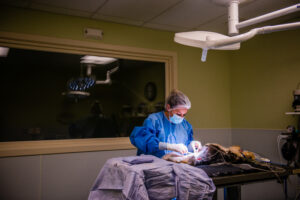
 pets will prevent future costly issues such as uterine infections, cancers, and behavioral problems. For more information or to make an appointment, please visit our website:

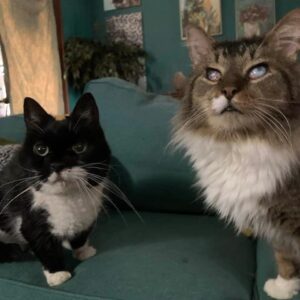 infection among other things. After her vet check, it was recommended to adopt her out as hospice care. I decided to adopt her knowing I might not have her for long. Sadly, she passed away four months later, but I made sure she spent the last few months of her life happy and loved.
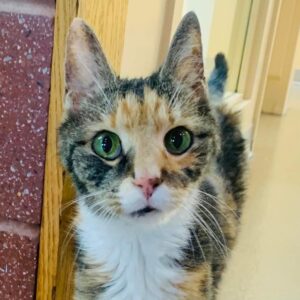 One September morning a cat was abandoned at the shelter. We scanned the cat and found out she was adopted from our organization 15 years ago. She was frail and extremely underweight. Her name was Rapunzel but I called her Princess Thumbs because she was a polydactyl cat. After getting her blood work done it turned out that she had hyperthyroidism and needed to be on medication and a special diet. After doing some research about the disease, I adopted her. I was not sure of the outcome since she was so thin and I had no idea how long she was in this condition but I was determined to try. Unfortunately, her illness was too far gone, but she did give me two wonderful weeks. She was truly an amazing cat. I miss you, my crunchy princess.
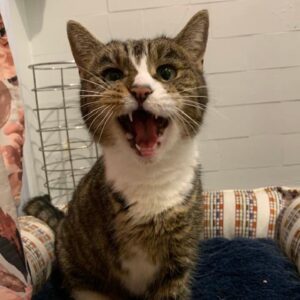 surrendered for meowing too much. Her name was Marigold. She was super sweet and did indeed “talk” a lot, which made me love her even more. After getting blood work done for her, results showed that she had hyperthyroidism. I was a little nervous because I was worried I would lose her too. I still decided to adopt her and give her a chance. Well, she is now a happy cat that “talks too much” if her bowl is empty. She will hop after you like a rabbit making sure you hear her loud and clear.
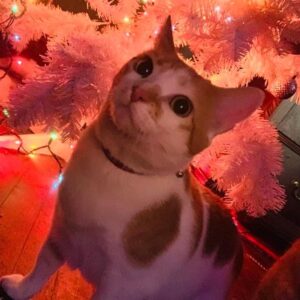 During our annual 12 Days of Adoptions event during the holidays, the majority of the cats at the shelter were finding homes. There was one cat I was hoping would find her furever home since she had been overlooked for 8 months. Her name was Karma, an adorable Orange and white cat with the cutest “RBF” squishy face. Karma had a few medical issues. She was FIV+, had an old ankle injury that made her limp, and experienced bladder issues which would require a special diet and medication for life. When Christmas Eve and the last day of the adoption special arrived, I told Karma “It’s time to go home”. It’s been two months since she came home and I’m so happy I made that decision. Her health has since improved and she couldn’t be happier in her new home.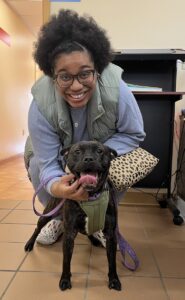
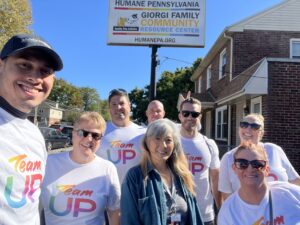 Volunteer Your Time
 I joined Humane Pennsylvania (then Humane Society of Berks County) as executive director nearly twenty years ago. I had previously worked at a larger and better-funded animal shelter. But when I compared the output of the two organizations, I was surprised to find our little animal shelter did more and provided more of some services than the other, bigger shelter, despite having fewer resources.
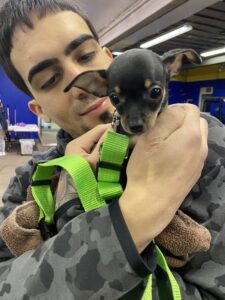 Our innovative veterinary services deliver tens of thousands of client visits, surgeries, and services to animals and people from all walks of life and economic circumstances each year. Our pet food pantry distributes a couple hundred thousand pounds of food and supplies annually. We have created programs that do more and do it more effectively than places that are entirely out of our league in size and resources.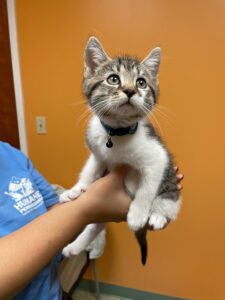
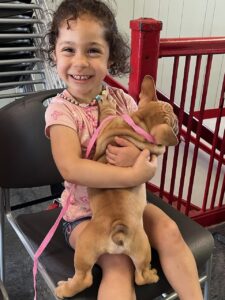 are sustainable, and serve the current needs of our community rather than past needs. These include: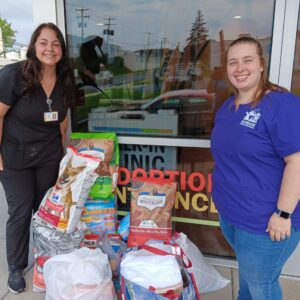
 These initiatives will help more animals and people, save lives, save resources, and serve as models for other organizations who might look to us for inspiration, just as we look to others for new ideas and approaches. Every year (month, day!), the world changes, and the needs of animals and people in our community change, too. You can’t be prepared for everything, but a culture of growth and innovation makes it easier to respond to the unexpected and to change paths when needs change. That path has helped us survive major economic downtowns and a pandemic. It’s also allowed us to recognize needs and problems before they are widely recognized as such.
 Humane PA is very excited to share details about our next steps to deliver the most impactful services to animals and people in our community! The needs of animals and the community have rapidly changed a great deal in recent years. In the last 20 years, the number of animals entering Humane PA shelters has declined by over 85%. Shelter euthanasia has declined by 99%. These numbers reflect national statistics.
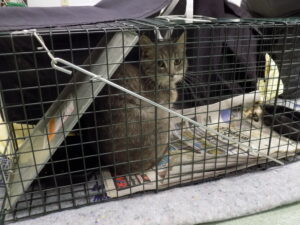 stemming from house pets, the limited and scattershot approaches for feral and free-roaming cats have not been as successful. That’s because sterilizing a few cats from this colony and a few from that colony leaves plenty of cats behind to breed. Humane PA is now taking a different approach, based on data and models with proven success. Since February, under the leadership of free-roaming cat whisperer, Alex Young, our Healthy Pets Initiative staff have been working directly with caretakers of colonies ranging from a half dozen to a hundred cats. One colony at a time, we have been sterilizing 100% (or as close as possible) of partner-managed colonies. By sterilizing every single cat in an extremely short time frame, we ensure there are no new litters, avoid boom and death cycles, and make it possible to effectively intervene when one or two new cats move into a colony.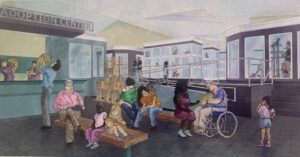
 We heard this loud and clear in a recent survey of our supporters. Over 90% of respondents said they thought there needed to be more affordable options. Over 60% of respondents told us that they had faced barriers of some type that prevented them from accessing, including cost or the health or behavioral challenges of their pets. Humane PA knows that some of these pets might end up in shelters if owners can no longer access routine boarding services. Humane PA also knows that there are few or no boarding options regularly available for emergency response, domestic violence victims, those facing health crises, and police dogs.
 services may feel very different or even alien to what is perceived as “animal sheltering”. Although we had the kernel of an idea over a decade ago, since then several organizations around the nation have pioneered boarding programs to address the new needs of their communities to great success. These services are needed and they make a difference, whether it’s the pet of an adopter or a police dog of an officer needing to travel, the cats of someone displaced by fire, the dog of someone who is admitted to the hospital with a heart attack, or the pets of those trying to flee domestic violence
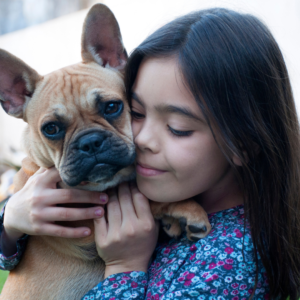 I don’t like to admit it, but as an independent rescuer for decades, I became judgmental of people who struggled to give basic care to their pets. When I met pet owners who did not match my level of pet care, it was easy for me to immediately deem them as uncaring and irresponsible without knowing any further details! However, when I started working professionally in animal welfare, I met people who had the same empathy for the animals, but with far less resources. They were rescuing outside kittens, helping injured strays or inheriting pets from friends/family that can no longer care for them and sometimes, they need a little help.
  turn, leaves more space at the shelter for the animals that really need a safe place, vet care and possibly a new family (or are reunited!).
 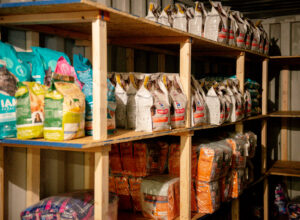 benefit from our organization’s enrollment in a food program that provides the same brand and type of food to everyone. Ongoing participation in this program results in a win-win situation: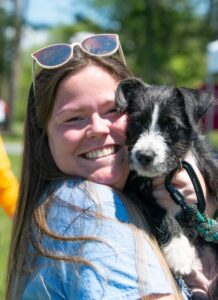
 There’s nothing more exciting to a pup than heading to the wide-open spaces of Humane Pennsylvania’s
 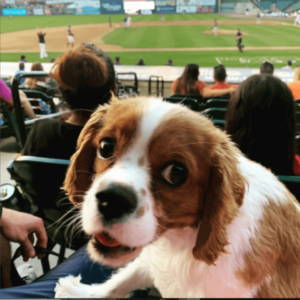 Did you know that Humane Pennsylvania is a proud sponsor of the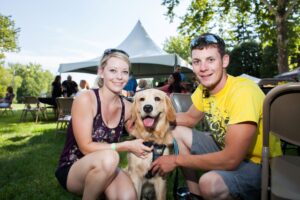
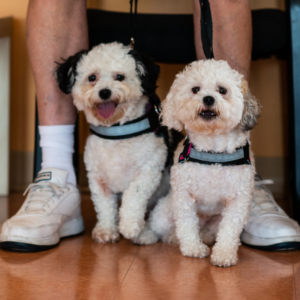 The perfect way to show that you appreciate your pet is by
 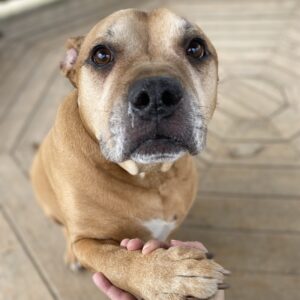 Bubba Lou, a 6-year-old neutered male American Pit Bull Terrier, was surrendered to the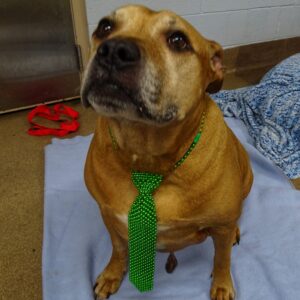
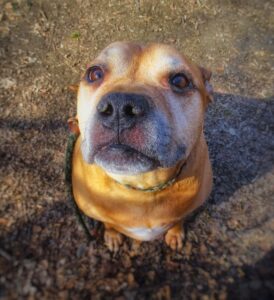 Bubba Lou is one of the thousands of dogs, cats, and critters Humane Pennsylvania helps throughout the year. Please consider visiting the